ADEDAMOLA ATELIER SERVICES
Clothing Alterations in Edmonton
Adjust the fit, hem or sleeves of an existing garment after an assessment of its fabric and construction.
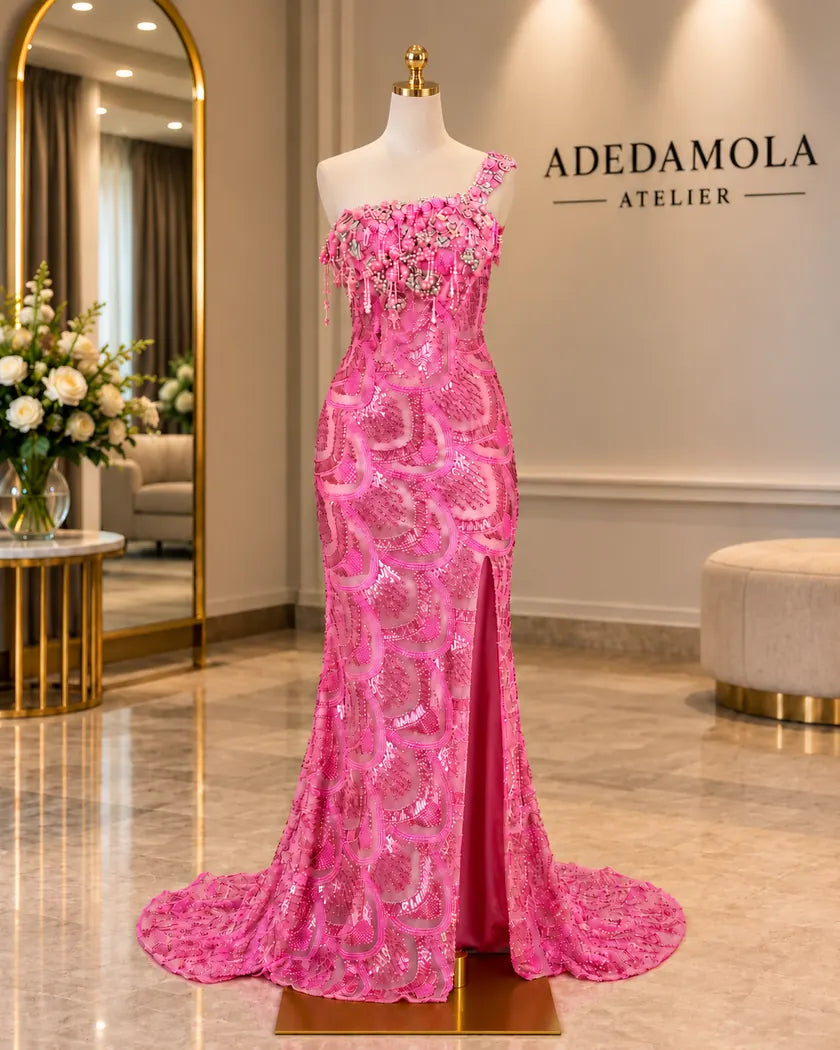
About this service
Alterations refine an existing garment rather than redesigning it without limits. The aim may be subtle—a sleeve that falls more cleanly, trousers that break at the right point, or a dress that feels secure through the bodice. It may also involve adapting a meaningful outfit for a new occasion while respecting the original fabric and construction.
Our approach begins with proportion. We consider the relationship between shoulder, waist, hip, hem, and movement before recommending a change. Where a garment has distinctive cultural details, embroidery, lace, or hand finishing, those elements are treated as part of the design rather than obstacles to work around.
Who it is for and when it matters
This service is for clients preparing everyday clothing, professional wardrobes, traditional attire, evening wear, bridal garments, and special-occasion pieces. It can also help when a favourite garment no longer fits as intended, when an online purchase needs refinement, or when an inherited piece requires careful adjustment.
Brides, grooms, wedding guests, graduates, performers, and clients attending milestone events often need fit decisions made in relation to shoes, undergarments, accessories, and movement. Bring those supporting items to the assessment whenever possible so the garment can be evaluated as it will actually be worn.
Options we can explore


The atelier experience
How consultation and commissioning work
A careful assessment of your garment, its construction and the changes you need.
-
Bring the garment
Start with the actual garment and explain where the fit or function is not working. Photos of the intended styling can be useful, but the piece itself determines what is possible.
-
Review the construction
The atelier examines seams, lining, closures, embellishment, fabric condition, and available allowance. We identify limitations before proposing work.
-
Discuss the fitting plan
Measurements and pinning are completed as appropriate. Complex garments may require more than one review; fittings and design requirements are discussed during consultation.
-
Confirm next steps
You receive guidance on the proposed alteration, availability, and a personalized quotation. Timelines depend on the complexity of the project and the garment's construction.


Fabric, fit, and atelier craft
Successful alterations depend on both fit knowledge and respect for material. Satin can show needle marks, lace may need to be lifted and reapplied, handwoven cloth may require pattern alignment, and beaded fabric can demand careful reinforcement. These considerations affect the recommended method and the time involved.
Fit is evaluated in motion. A garment should allow the wearer to sit, raise an arm, walk, and breathe with reasonable comfort for its intended silhouette. Care instructions are discussed when the alteration changes how the piece should be pressed, stored, or supported.
Why choose Adedamola Atelier
- A consultation-led approach that begins with the garment rather than a standard alteration list.
- Consideration for traditional textiles, embellishment, structured garments, and special-occasion styling.
- Clear communication about limitations before irreversible work is undertaken.
- Natural connections to custom, bridal, groom, and bridesmaid services when alteration is not the best solution.
Selected atelier work


Serving Edmonton and clients across Canada
Clients in Edmonton can arrange an in-person assessment so the garment can be pinned and reviewed on the body. Bring the shoes and foundational garments you expect to wear, especially for formal hems or fitted bodices. Contact the atelier for availability and a personalized quotation.
Some early questions can be discussed remotely for clients elsewhere in Canada, but accurate alteration work usually requires access to the physical garment and, for fitted changes, the wearer. We will be honest when an in-person appointment is necessary rather than encouraging a process that cannot be assessed reliably at a distance.
Frequently asked questions
How do I know whether my garment can be altered?
An assessment is the most reliable way to know. Seam allowance, fabric condition, lining, embellishment, and the amount of change all matter. Bring the garment so the atelier can explain realistic options before work is approved.
What should I bring to an alteration appointment?
Bring the garment, the shoes you plan to wear, and any relevant undergarments or accessories. For a wedding or formal look, these details influence hem length, support, balance, and the way the garment sits.
Can you alter bridal or traditional attire?
These garments can be assessed, including pieces with lace, structure, handwoven cloth, or embellishment. The final recommendation depends on construction and condition, and specialized work is quoted after review.
How long do alterations take?
Timelines depend on the complexity of the project, current availability, fabric, and the number of fitting decisions involved. Contact the atelier as early as possible, especially before a fixed event date.
Can I mail a garment from elsewhere in Canada?
Remote discussion may help determine whether the request is suitable, but many fitted alterations require the wearer and garment to be present. The atelier will advise whether an in-person fitting is necessary before you ship anything.
How is an alteration quotation prepared?
A personalized quotation is prepared after the garment and requested changes are assessed. No price is assumed from a photograph alone when construction details may affect the work.
How should I care for an altered garment?
Follow the textile and maker care label unless the atelier provides additional guidance. Structured, embellished, or handwoven pieces may benefit from careful hanging, breathable storage, and professional cleaning suited to the fabric.
Let the garment meet you where you are
Bring the piece, the occasion, and the fit concern to the atelier. We will assess the construction and explain a practical way forward.
